

 Search
Release Date: 28-07-
Expanding Into Osaka Student Housing
In many regions across Europe and North America, the education industry is strong enough to drive the broader economy, and Asia has been trending in this direction in recent years. Last week, an educational ranking agency released its "Best Student Cities in the World" rankings. The top three positions went to Seoul, Tokyo, and London; Singapore ranked 11th globally, Taipei 14th, and Hong Kong 17th. Why has Hong Kong fallen behind neighboring cities? The primary issues are exorbitant land prices, a severe shortage of student housing, and a high cost of living, which deter many international students. Recognizing this bottleneck, the Hong Kong government has been actively promoting student accommodation projects, and property developers, spotting the immense potential, have begun converting their assets accordingly.
This student city ranking reminded me of an interview I gave earlier to a young journalist from Singapore. He is a Malaysian who previously worked in Singapore before quitting his job on a whim to pursue something entirely different. Now living and studying in Japan while freelancing for Singaporean media, he represents the new generation of global "slashers"—a trend that is set to become the future norm. In fact, over the past few years, we have seen a growing wave of young people moving to Japan to study from the US, UK, and Taiwan. Consequently, we are planning to expand our business to incorporate these international students into our target demographic.
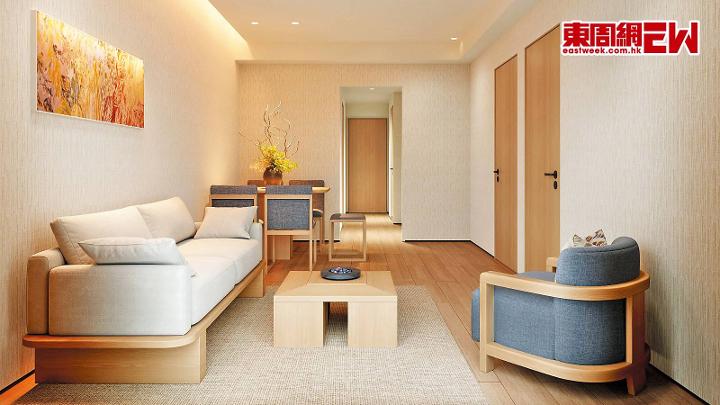
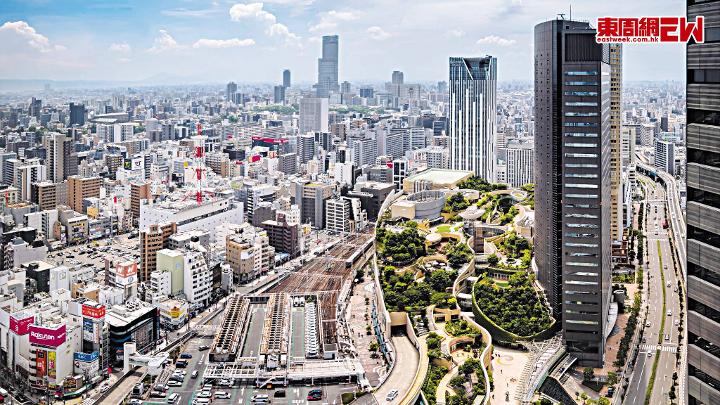
When foreigners first arrive in Japan, they typically enroll in a one-to-two-year language program before looking for employment. Having previously hired Hong Kong students at our Osaka office, we deeply understand the unique needs of international students. With land prices in Osaka steadily climbing, the demand for student accommodation has reached a critical point. As is well known, Japanese society remains relatively conservative. Beyond renting apartments, many local restaurants are hesitant to serve foreigners out of fear that language barriers might lead to misunderstandings. Renting an apartment involves much larger sums of money and far more complex paperwork. How can a newly arrived student, likely not yet fluent in Japanese, ever earn the trust of a traditional Japanese landlord? Furthermore, even if they manage to secure a lease, tenants expect basic furniture to be provided. In contrast, standard Japanese rental apartments come completely empty, meaning tenants have to source all their own furniture from scratch—a process that is both time-consuming and expensive.
Having observed these market needs over the years, we initiated our student housing expansion earlier this year. We are currently in discussions with several language schools regarding partnership structures and details, aiming to capture the student market as well as individuals on short-term work assignments in Japan. Because these serviced accommodations typically involve longer lease terms, their rental pricing will be set lower than short-term vacation rentals, though higher than conventional long-term leases. Why would we be interested in the student market if the yields are lower than short-term rentals? Because Japan’s student demographic offers exceptional stability, ensuring owners enjoy guaranteed tenants and consistent occupancy rates for one to two years, completely insulating them from the seasonal fluctuations of tourism.Having observed these market needs over the years, we initiated our student housing expansion earlier this year. We are currently in discussions with several language schools regarding partnership structures and details, aiming to capture the student market as well as individuals on short-term work assignments in Japan. Because these serviced accommodations typically involve longer lease terms, their rental pricing will be set lower than short-term vacation rentals, though higher than conventional long-term leases. Why would we be interested in the student market if the yields are lower than short-term rentals? Because Japan’s student demographic offers exceptional stability, ensuring owners enjoy guaranteed tenants and consistent occupancy rates for one to two years, completely insulating them from the seasonal fluctuations of tourism.
In recent years, Singaporean investors have led the charge in buying Japanese properties, with Taiwanese investors quickly following and growing bolder by the day. FMI expanded into Taiwan two years ago and now operates two offices—one in Taipei and one in Taichung. It often feels as though Taiwanese people view traveling to Japan as returning to their "second hometown," visiting as frequently as once a month or even every other week. Taiwanese buyers approach Japanese investments with a different mindset compared to Singaporeans. Singaporeans are purely number-driven; as long as the returns are attractive, geography is secondary. While Taiwanese investors also look at the numbers, they approach it with an insurance mindset, often planning for the next generation and prioritizing long-term stability. In the event of social volatility, a Japanese property serves as a safe haven. After all, peace of mind is priceless—a sentiment every parent can appreciate.
Student housing boasts high occupancy rates and fixed lease terms, making it resilient against the fluctuations of the tourism industry.
Author

Amous Lee
The CEO and Partner of FMI Investment possesses over 24 years of extensive experience in international property investment. Throughout his 24-year career, he has been actively involved in project consultancy and marketing for multiple listed developers, successfully transacting and managing global properties valued at over USD 8 billion. In addition, he is a member of the Australian Institute of Quantity Surveyors (AIQS), as well as a member and former Secretary General of the Australian Institute of Building (AIB).
YOU MAY ALSO LIKE…