

 搜尋
搜尋發布日期:
翔勝之道——A Slow Journey Through Tibet
Last month, I finally checked an item off my bucket list by setting foot in Tibet.
Towards the end of last month, I embarked on a long-planned six-day, five-night trip to Tibet. Why Tibet? Firstly, I have a deep interest in Tibetan culture; secondly, I greatly admire the local architecture; and thirdly, my parents visited Tibet over a decade ago and always told me it was a place one must see in a lifetime, so I kept it on my bucket list. The problem was that, with no business or friends there, I lacked a compelling motive to go—until the beginning of this year, when my feng shui consultant advised that heading northwest would be beneficial for me this year. Given that I overwork my brain and my mind is constantly cluttered with various thoughts, I decided to take this opportunity to cross a place off my bucket list that is far from the hustle and bustle, and to follow in the footsteps of my parents.
As someone who takes action, I booked my flights in January for May. Many unexpected events arose during this period, but I stood firm and refused to reschedule. I invited my cousin to join me; not only has he been to Tibet before and possesses a love for nature, but he is the calmest and most composed person I know. He could not only look after me but also help me slow down. Traveling with family would have turned into a task of looking after the young and old, and traveling with colleagues would inevitably lead to talking shop and perhaps even having to look after them in return. Therefore, my cousin was the perfect partner.
I spent five full months preparing for this trip. First, I watched many KOL videos to select an itinerary that suited me. My cousin, who knows me well, understands that I prefer high-quality dining, comfortable accommodation, and freedom. He did the initial filtering for me, and I eventually chose an itinerary recommended by a Thai KOL and booked a private guide. Furthermore, my biggest concern was my physical stamina, as the Thai KOL I watched was quite fit yet was seen using an oxygen tank in his videos from time to time. Fortunately, my cousin kept encouraging me. We had previously traveled to Lijiang together, where the altitude is nearly 3,000 meters, while the Potala Palace is nearly 4,000 meters. While the numbers may seem similar, every 500-meter increase makes a world of difference. To meet the challenge, I asked my fitness coach to intensify my leg training.
Having heard many horror stories from friends—some of whom were hospitalized shortly after arriving in Lhasa and rushed to leave the next day—I imagined many dangerous scenarios before departure. I prepared for the worst by booking the St. Regis, which offers views of the Potala Palace. If my physical condition failed me, I figured I could at least take a taxi to the foot of the mountain for a photo, or even just take a photo from the hotel and call it a day. My cousin assured me not to worry, saying that my consistent gym routine in recent years would see me through. I was also highly disciplined; starting in early May, I focused on my health, minimized alcohol consumption to keep my respiratory system in top shape, and prepared all necessary supplies, including dry rations, medicine, clothes, hats, and sunglasses to handle the volatile temperature changes.
During my time in Tibet, although I tried to arrange the best food and accommodation possible, there were inevitably some adjustments to make, particularly regarding the hygiene of restrooms and the local food palate. I was quite lucky, though—a Haidilao opened in Lhasa last August, and I ended up visiting it twice! Haha! Overall, this Tibetan journey was incredibly worthwhile. Throughout the trip, I sent many photos to my mother and called her to share the highlights. Being able to experience the same path my parents traveled ten or twenty years ago—taking the same roads and imagining their experiences in those locations when the environment was much less developed—was a truly precious life experience.
連結:
《東周刊》
作者簡介
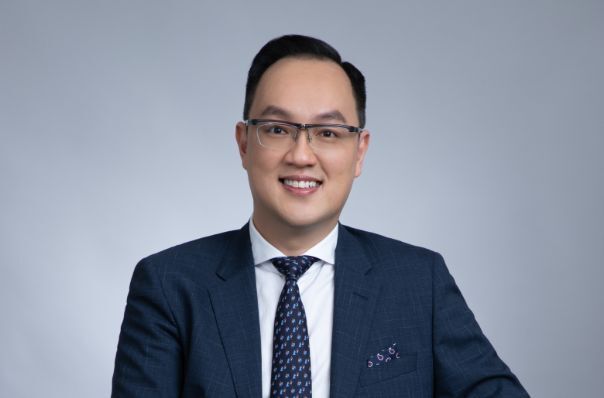
李丹翔先生 (Amous Lee)
FMI至匯投資行政總裁及合夥人
擁有超過 24 年國際物業投資的豐富經驗。在過去 24 年間,曾參與多個上市發展商的項目諮詢及營銷,至今已交易和管理全球超過 80 億美元的物業。他亦為澳洲工料測量師學會會員、澳洲建築學院會員及前秘書長。
閱讀更多