


 Search
LASTEST BLOG
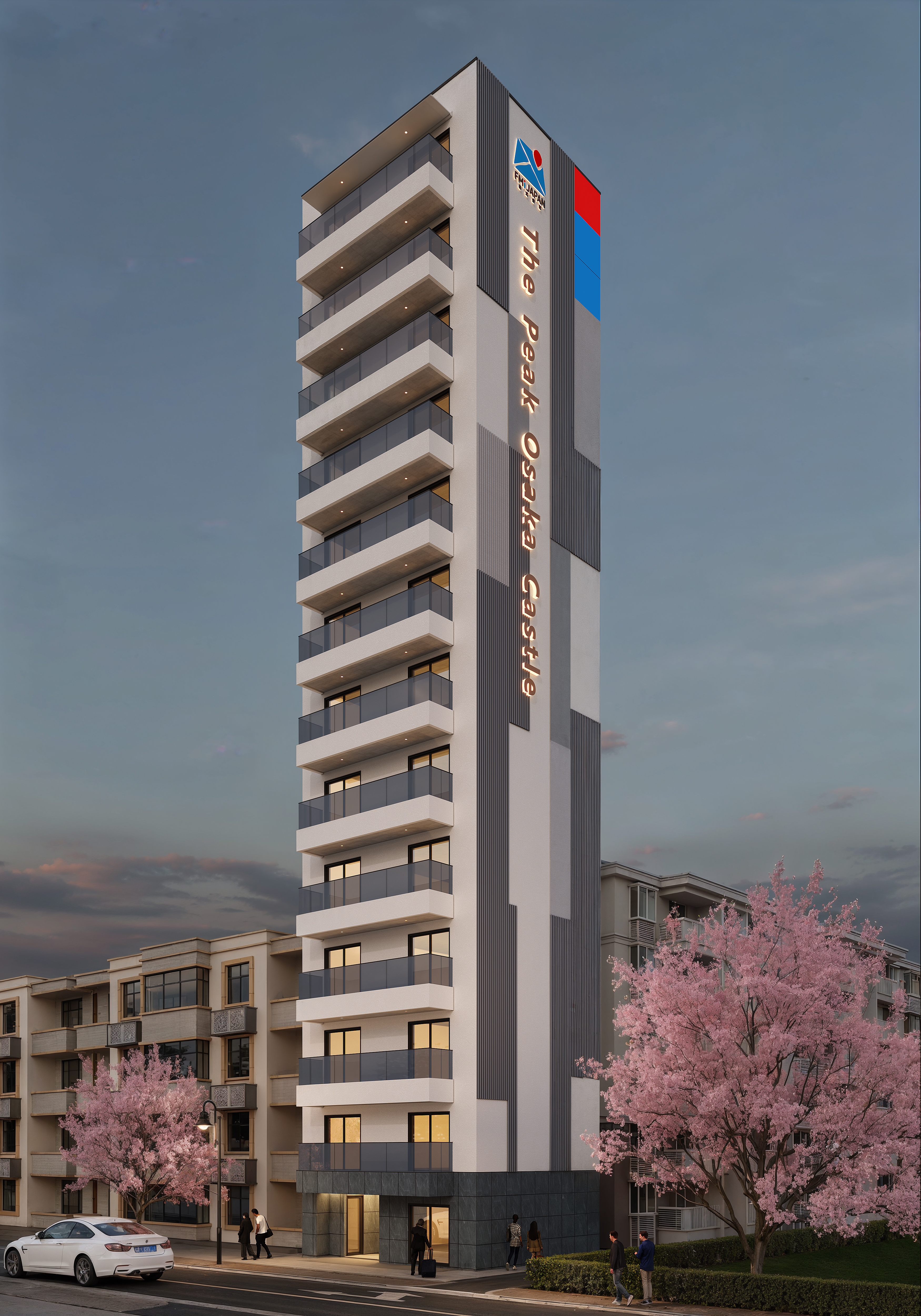
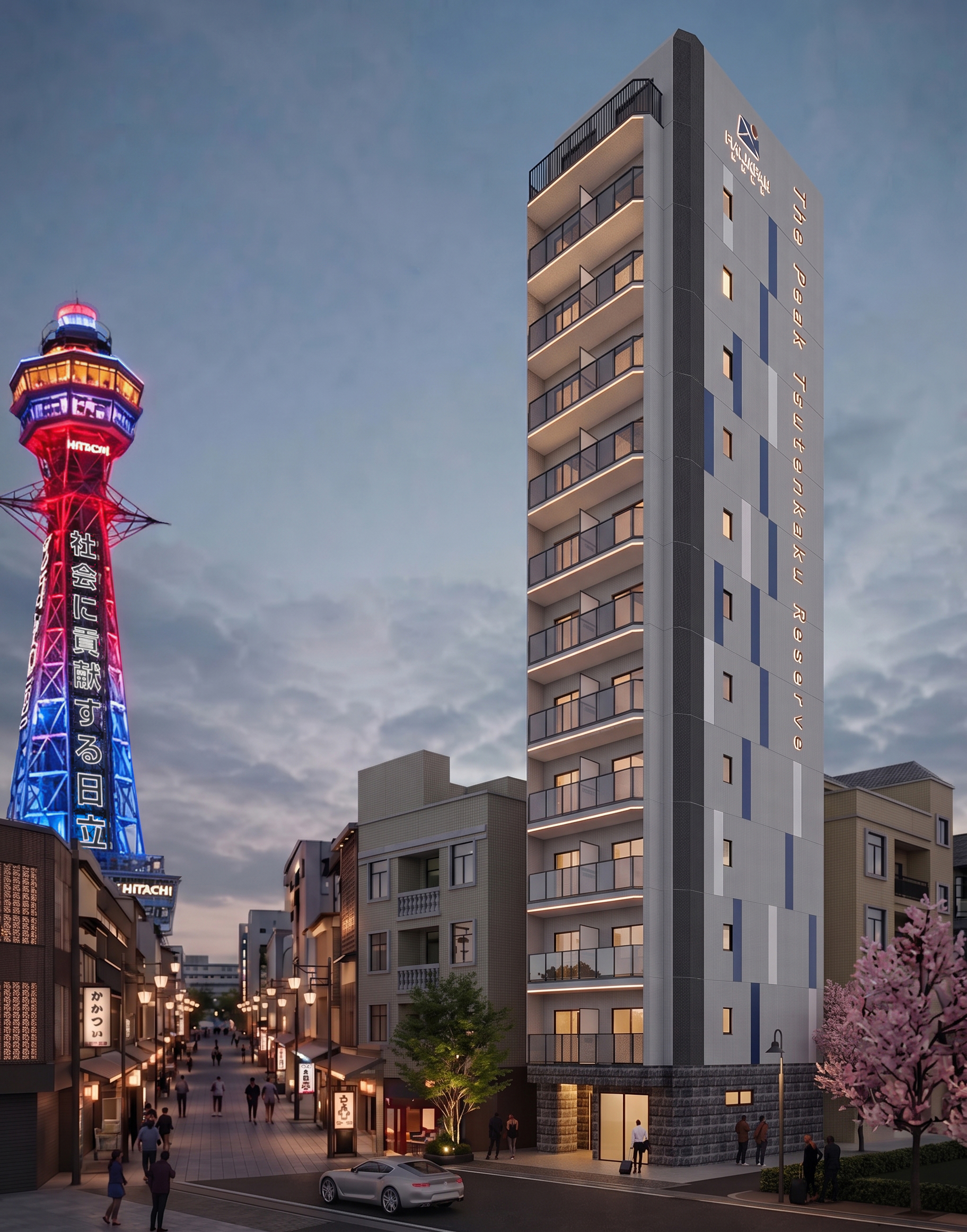
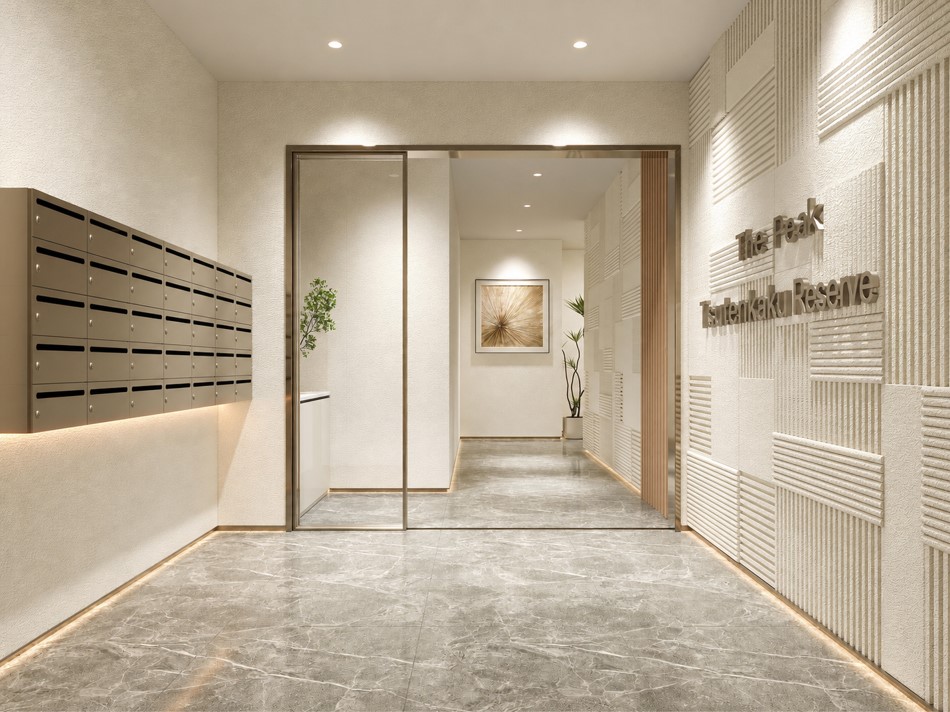
Following the successful conclusion of the 3rd Taiwan Japan Property Expo, the FMI team is already gearing up for the upcoming expo in Singapore this November. For these two grand finales of the year, we have prepared two trump cards: the first is The Peak Tsutenkaku Reserve, which is located just steps away from the Tsutenkaku Tower; and the second is our grandly debuting first development in Andojimachi—The Peak Osaka Castle.
Recent developments in Japan's "sub-capital" initiative indicate that four cities meet the relevant criteria: Sapporo, Nagoya, Osaka, and Fukuoka. If Osaka successfully secures the sub-capital status, it is expected to further improve local transport networks and infrastructure, decentralize Tokyo's population, and attract major corporations to relocate their headquarters or regional bases, comprehensively driving an economic takeoff. This will lead to a continuous influx of population, directly boosting local rents and property prices. In fact, land prices in Osaka have already experienced significant growth in recent years, and market demand remains robust even after the World Expo. Notably, land prices in areas like Shinsaibashi and Namba have surged by as much as 25%. Once the sub-capital status is officially established, this upward trend is bound to expand further.
According to the Ministry of Land, Infrastructure, Transport and Tourism's announcement of Japan's 2026 benchmark land prices, both residential and commercial land prices have risen for the fifth consecutive year. Overall average prices increased by 1.5% this year, with the highest growth concentrated in urban core areas and popular tourist destinations. In Osaka, land prices surged by 4.4%. Driven by the tourism industry, the demand for retail shops and tourist accommodations in the city center is growing increasingly strong. Acquiring a prime piece of commercial land requires a tremendous amount of time and effort behind the scenes. Because land does not come easily, I insist that the construction, design, quality, and service of every property must pursue excellence to meet the strict standards of FMI The Peak Series.
The Japanese government recently released its land price report, showing that the national average land price increased by 2.9% year-on-year, marking the fifth consecutive year of growth. The top three areas with the strongest surges are: 1. Tokyo: up 9.4% 2. Okinawa: up 6.6% 3. Osaka: up 5.1% Driven by rising land prices and increased demand for land, property prices in metropolitan areas such as Tokyo and Osaka have also continued to climb in recent years.
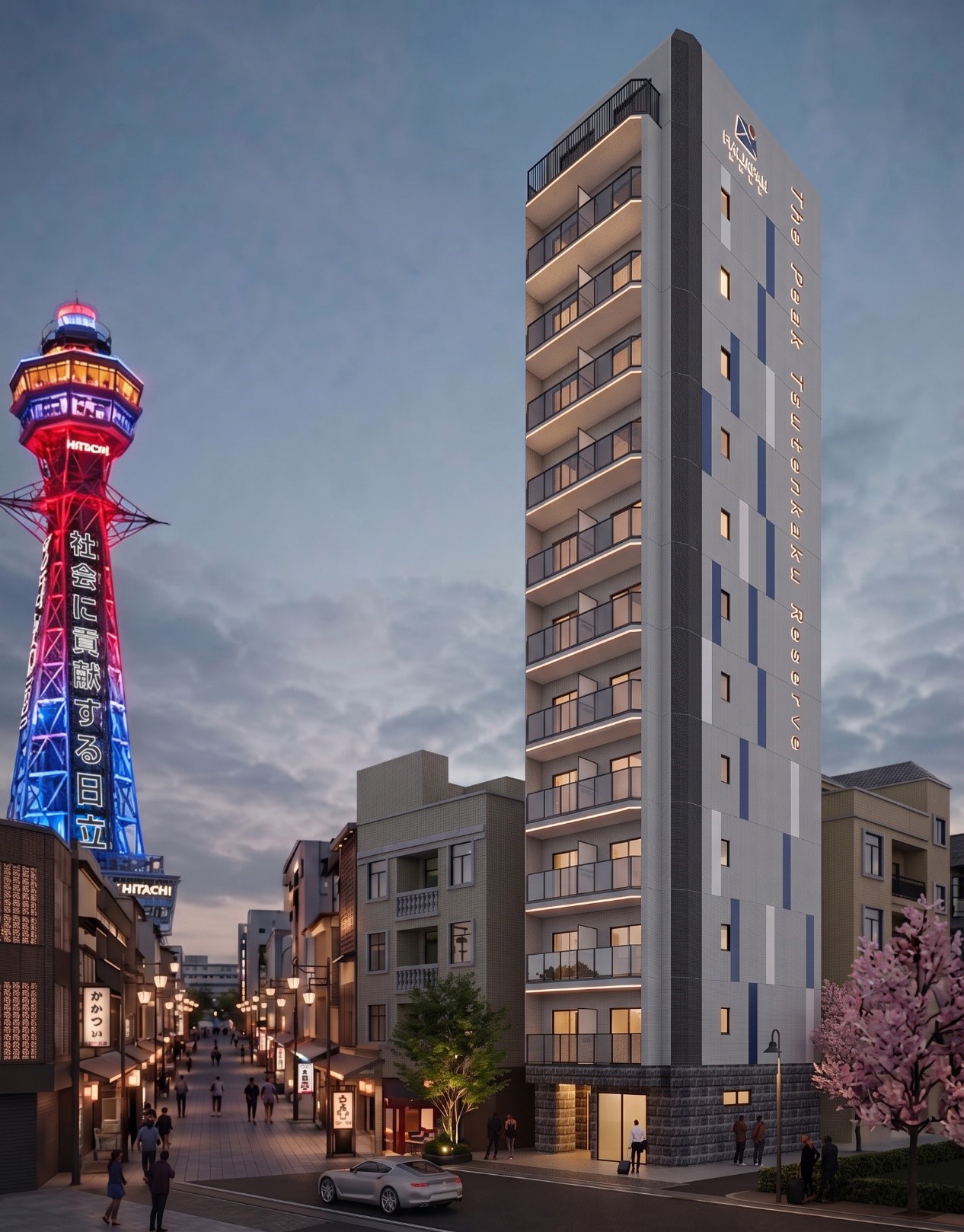
Since the completion of FMI's first property near the Tsutenkaku Tower in Osaka in 2024, we have welcomed new members to our portfolio over the past two years. With the recent launch of The Peak Tsutenkaku Reserve, we now have four properties under The Peak Series in the Tsutenkaku area.
According to the land price report released by Japan's National Tax Agency this July, Japan's national average land price rose by 2.9% this year, with the three regions experiencing the strongest growth being Tokyo, Okinawa, and Osaka, registering increases of 9.4%, 6.6%, and 5.1% respectively. Among all land prices in Osaka, commercial land saw a year-on-year growth of 8.5%, while the core district stretching from Shinsaibashi to Namba in southern Osaka recorded a staggering surge of 25%.

